Adoption Center
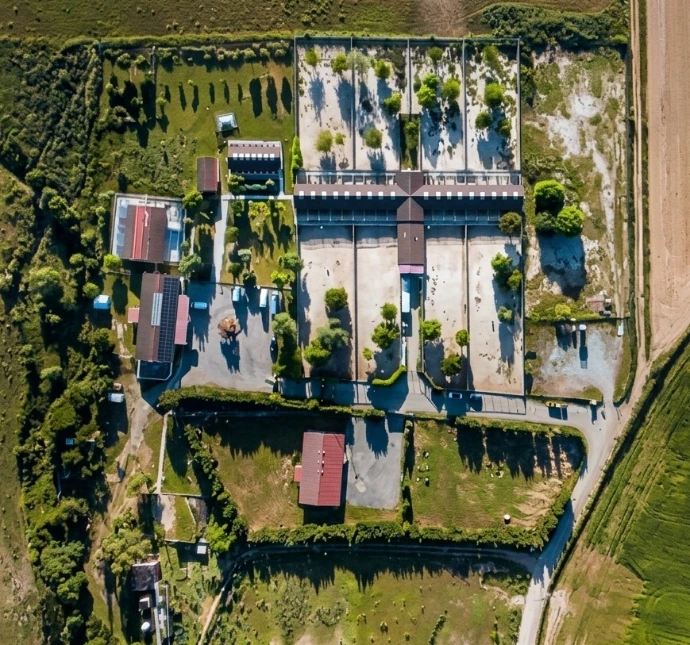
After more than a decade of hard work, ANAA's new Adoption Center was finally inaugurated on November 1, 2003. Built by drawing upon the experience accumulated during the previous 11 years of operation, as well as insights gathered from other European centers, a comprehensive animal welfare space was created—a true pioneer in Spain. It has the capacity to house 150 dogs, 40 cats, and accommodate up to 15 rabbits, and currently receives more than 2,000 abandoned animals each year.
During their stay, they receive all the care they need: food, exercise, affection, and veterinary attention. Even so, the ANAA Adoption Center is designed to be a temporary stepping stone, as the ultimate goal is for all animals to be adopted and find a family that can provide the necessary conditions for their optimal quality of life. At the ANAA Adoption Center, both hired staff and volunteers work daily, selflessly donating their time with the sole purpose of ensuring the animals are kept in the best possible conditions.
ANAA's adoption center features a 24-hour security system and the permanent presence of on-site security personnel.
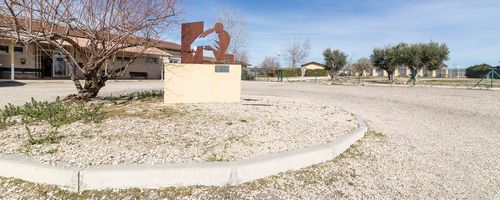
Facilities
The Center features separate buildings tailored to each species and health status (housing and quarantine pavilions for dogs, cats, and other animals), a veterinary clinic with a consultation room, two operating rooms, an X-ray room, and a hospitalization ward, as well as a therapeutic bathing room and offices, among other facilities.
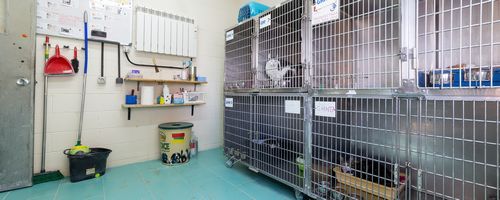
Quarantine (Cats)
All animals arriving at the Adoption Center undergo an observation period in areas specially prepared for this purpose. There are three quarantine rooms for cats and two quarantine areas for dogs (one for puppies and one for adults). There, they receive strict veterinary care from the Association's veterinary team, who work daily at the center monitoring the health status of the sheltered animals.
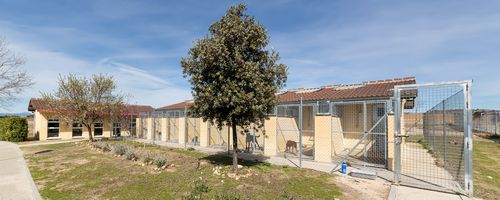
Quarantine (Dogs)
During this period, they undergo a comprehensive clinical examination that includes blood tests (to detect diseases such as Leishmaniasis, Ehrlichiosis, leukemia, or feline immunodeficiency), deworming, and vaccination, as well as any additional treatment required based on their condition. Once their health status is optimal, both males and females are sterilized. After this period, they are medically cleared and transferred to the adoption zone.
Dog Pavilion
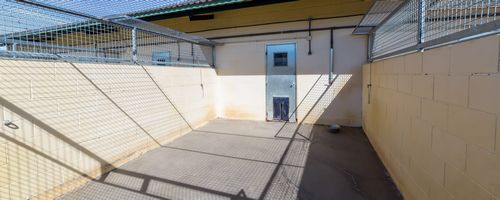
In this area, dogs are grouped by size and compatibility in groups of 4 or 5 in each of the 40 living spaces. All of them feature a heated indoor area and an outdoor open-air patio. Additionally, the dog enclosures have access to 8 large exercise areas where the animals go out to walk and run daily.
Puppy Enclosures
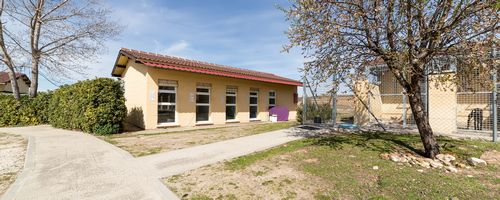
Given the special conditions of puppies (vulnerability, low immunity...), it is necessary for them to remain isolated until they are fully vaccinated. This area, independent from the rest of the facilities, fulfills the objective of protecting them while allowing potential adopters to view them on adoption days (Saturdays). The rest of the time, the puppies live under the care of the Foster Program (Programa de Canguros).
Cattery
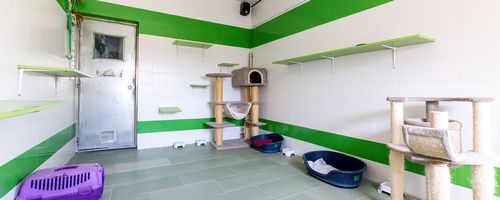
After passing through the quarantine zones, cats arriving at the ANAA Adoption Center move to the catteries or communal rooms. These facilities are specially built for their needs and consist of heated indoor rooms and outdoor open-air patios, where a maximum of 40 cats share space and play until the time of their adoption.
Barn Enclosures
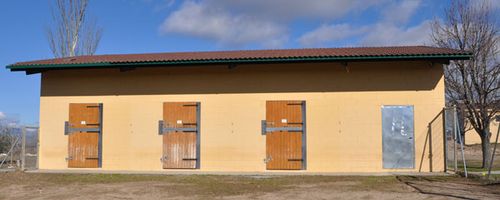
These animals also have their own space at the Adoption Center. Three outdoor pens and a feed storage room form part of a building with access to a grazing area, where animals such as horses, sheep, or goats have already been cared for.
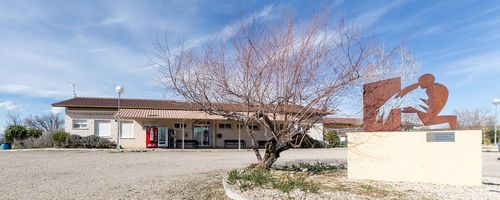
Main Building
This building houses several facilities: the adoption area and offices, hospitalization wards, an X-ray room, two operating rooms, two veterinary consultation rooms, a warehouse, a shop, and restrooms.
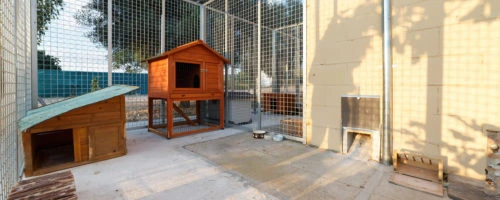
Rabbit Enclosures
This specific area for rabbits features 5 living spaces that can house up to 15 rabbits. Each one has a heated indoor area and an outdoor open-air patio.
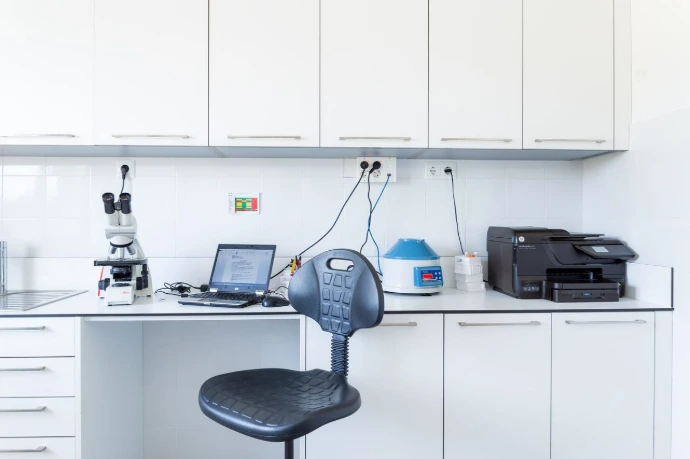
Veterinary Clinic
The clinic features 2 consultation rooms, 2 operating rooms, an X-ray room, and two hospitalization wards for sick animals.
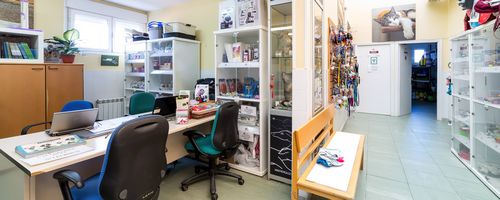
Administrative Building
It includes an adoption room, a shop, changing rooms for volunteers, restrooms, and a warehouse.
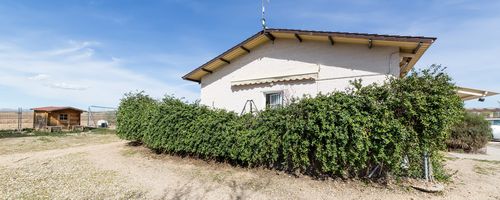
Caretaker's Residence
This housing accommodates the on-site caretakers, who remain at the facility to look after and maintain the center.